
Peloponnese: 12 Months of Authenticity
A guide to discovering the "luxury of simplicity" every season of the year

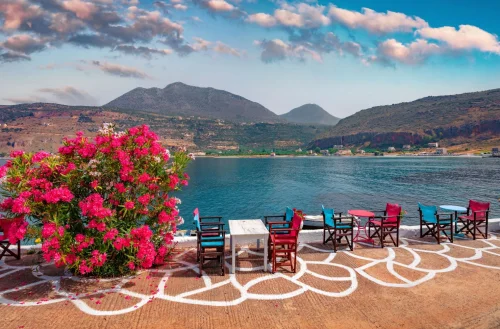


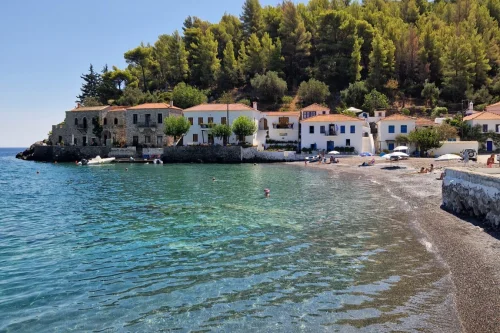


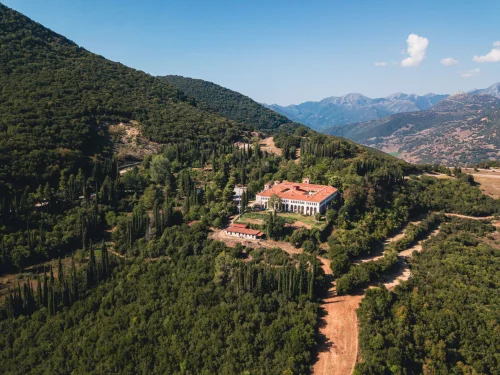
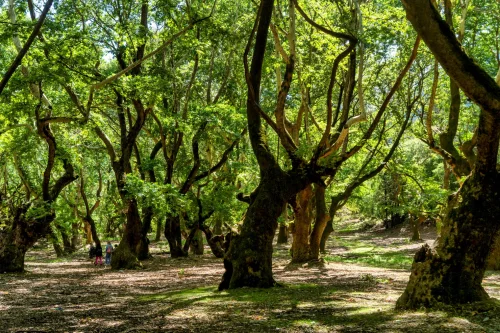


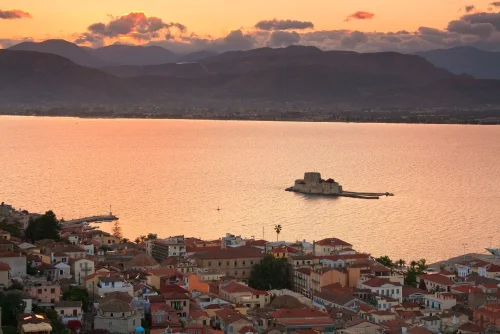
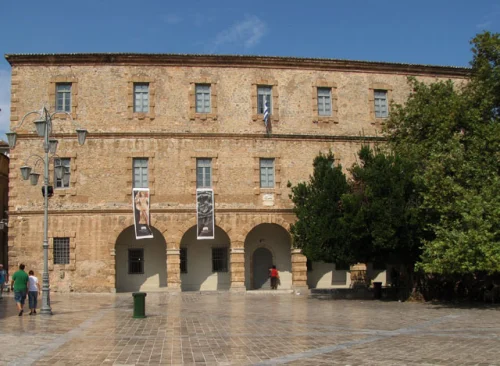
The Peloponnese is not just a one-season destination. It shows a different face in January, with roaring fireplaces in the mountain villages, and a completely different one in August, when the sea is at its most inviting.
If you are wondering when is the best time to visit, the most practical way is to explore it month by month—check what weather to expect, discover what to do to avoid the crowds, and find out what to steer clear of based on your own preferences. Let’s dive into the details.
January : Winter Escapes with Substance
Here, it’s all about aligning with your desires and how you truly enjoy spending your time. So, let’s take it month by month.
January is for those who seek tranquility, relaxation, and don't mind the crisp winter air. In the highlands (Arcadia, Mainalo, Taygetos), temperatures drop you’ll need a warm jacket by night and a coffee by the fireside in the morning. It’s the month for wandering through stone-built villages, enjoying exceptional local food, and embracing a slow, unhurried pace.
February : Romantic and Quiet
February naturally maintains its winter character, but it carries a beautiful off-season vibe. If you want to experience cities like Nafplio or Kalamata without the usual crowds, this is your chance. Plus, accommodation rates are often much more accessible.
What to do : City breaks, exceptional dining, thermal spas, and short nature walks when the weather clears up.
What to avoid : Going for a swim—at this time of year, the sea is still only for the brave.
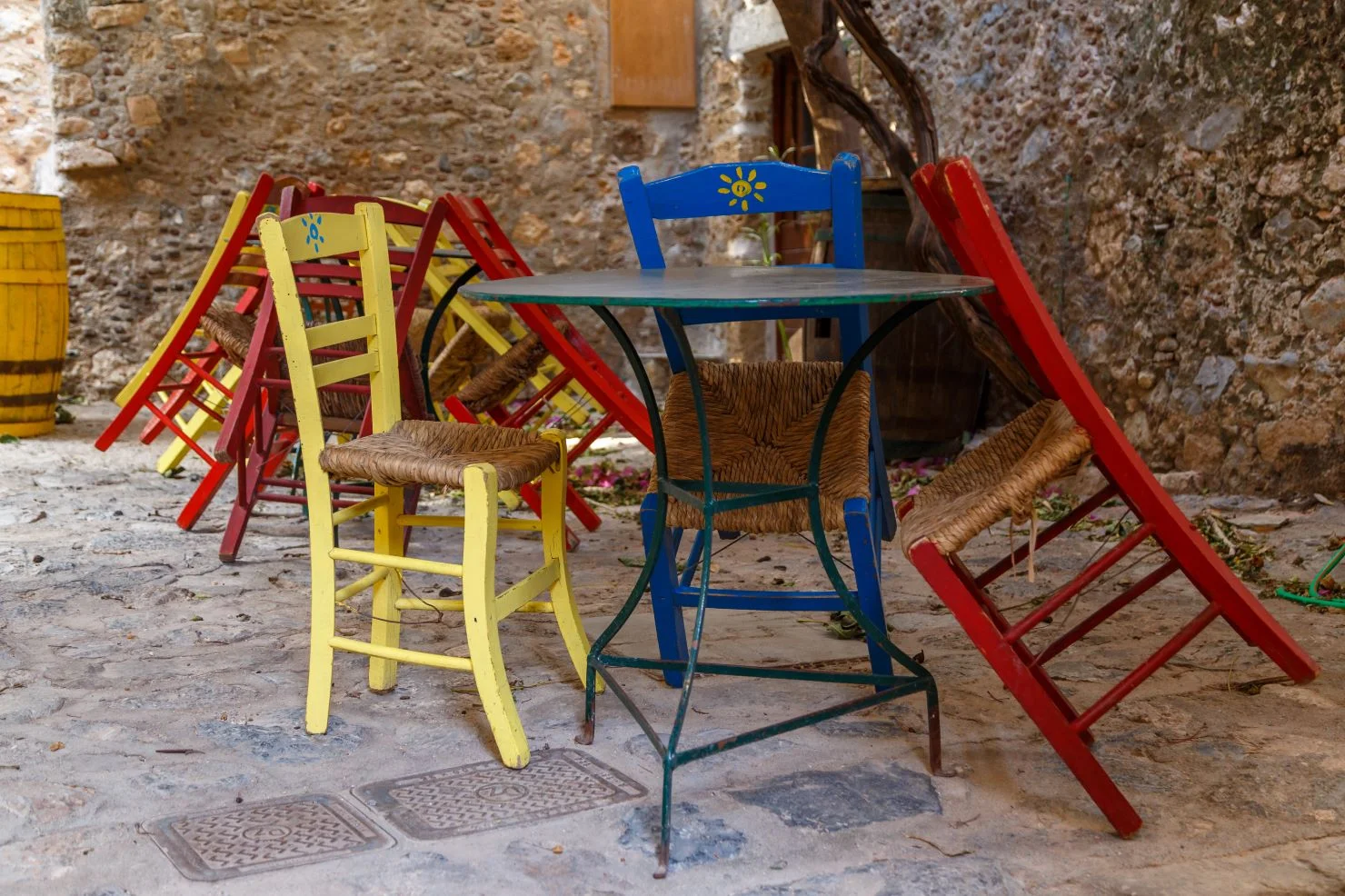
March : Nature at its Best
March is the definition of a transitional month. Some days hint at spring, while others pull you straight back into the heart of a heavy winter. However, nature is waking up; the landscapes turn vibrant green, and exploring becomes much more comfortable without the intense heat of the summer.
What to do : Hiking or light outdoor activities, excursions to canyons and rivers, and exploring off-the-beaten-path villages.
What to avoid : Underestimating the evening chill—definitely pack a cardigan or something warmer in your suitcase.
April : The Perfect Balance
If there’s one month that offers the best of everything, it’s April. The temperatures are rising, the days are getting longer, and traveling around becomes much more comfortable. Easter in the Peloponnese
This is one of the most beautiful times to experience the Peloponnese—full of life, yet without the panic and the crowds.
What to do: Road trips, sightseeing, seaside strolls, and perhaps the first dip in the sea for the impatient ones.
What to avoid: Don't assume every day will feel like summer Spring still has its own tricks up its sleeve.
May : Warm, Springlike, Playful
May is often the "hidden ace" of the Peloponnese. The sea begins to warm up, and beach bars start opening their doors one by one, yet you haven't reached the peak summer rush. If you want to combine beach days with mountain escapes, this is one of the top choices.
What to do : Beach days, day trips, outdoor activities, and local festivals or events—wherever you find them on the calendar.
What to avoid : Excessive sun exposure; the May sun can burn much more than you might think.

June : Summer at its Absolute Best
June is that sweet spot where summer has truly arrived, but without the extremes. It’s warm, yet usually more bearable than the scorching heat of July and August. It’s a top-tier month for families, couples, groups of friends—basically, for everyone.
What to do: Proper summer holidays with plenty of swimming, water sports, and evening strolls without the overwhelming crowds.
What to avoid: Last-minute bookings in "hot" destinations; the visitor numbers are starting to climb significantly.
July: Heat, Energy, and a Full Agenda
July is high season, and you can truly feel it. More people, more movement, and higher temperatures. However, if you are well-organized, everything can run perfectly smooth.
August: Peloponnese at its Peak
August is for those seeking the classic Greek summer experience. The beaches are bustling, the nights are vibrant, but you definitely need a plan: where to go, when to go, and where to park. If you aren't a fan of large crowds, this period might feel a bit overwhelming.
Tip: Opt for weekdays, early morning swims, and seek out the more secluded, quieter beaches.
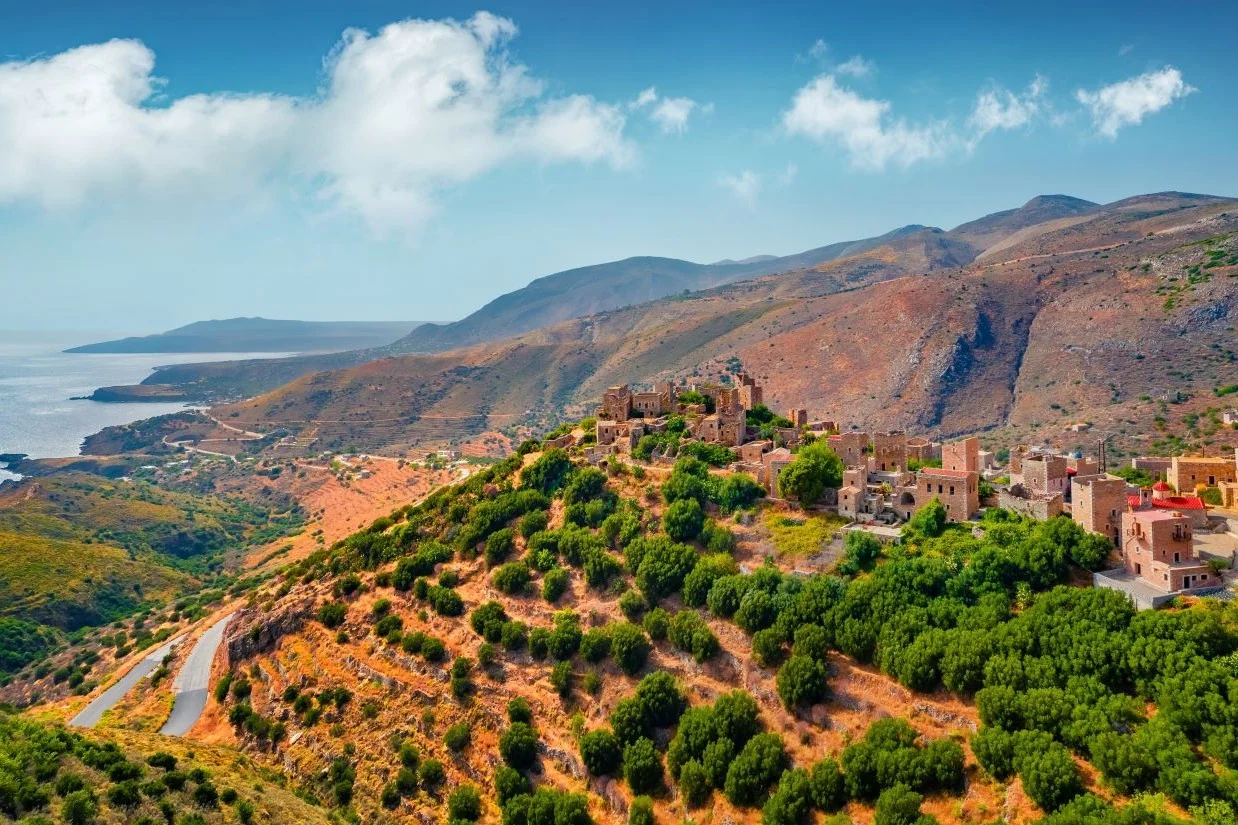
September: The Month of the Connoisseurs
September is what we call "quality summer." The sea remains warm from the previous months' sun, the crowds thin out, and the overall vibe becomes increasingly relaxed. If you want to enjoy the beaches without the squeeze, this is your time.
What to do: Swimming, lounging, exceptional food, and mini road trips.
What to avoid: Expecting the same intensity of nightlife everywhere. In many places, the pace naturally slows down.
October: Ideal for Exploration
October brings a certain sweetness. Temperatures are more pleasant, journeys are enjoyable, and cities and villages return to their "normal" rhythms without the summer filter. On some days, you can even enjoy a swim.
What to do: Museums, nature, wine routes, village hopping, and seaside strolls.
What to avoid: Expecting all summer infrastructures to be fully operational (not every seasonal tavern will remain open).
November: The Season of Gastronomy and Cool Escapes
November brings more rain and cooler days. It’s a month for cozy travels, excellent taverns, local products, comfortable drives, and stays with a fireplace. The sea moves into the background.
December: Festive Atmosphere and Winter Imagery
December has a distinct character. Mountain villages, a Christmas mood, fairytale-like settings, and a sense of returning to the basics. If you love slow-paced travel, this is a wise choice.
How to Choose the Right Month
For the Sea & Relaxed Vibes: Choose May, June, or September.
For Nature & Exploration: April and October are fantastic choices.
For Cozy Atmosphere & Villages : January, February, and December are at their peak.
To put it simply, there is no single "right" season for the Peloponnese—there is only the right month for your travel style. And once you find it, the journey becomes magical.
Which month will you choose?
The Peloponnese is not a place you visit just once. It is a destination that calls you to return, time and time again, to truly capture its essence. Now that you’ve found the month that suits your style, the next step is to plan your journey.
Whether you have 5 days to explore its iconic cities, or you wish to spend a full week discovering the hidden gems of Argolis and the treasures of Corinthia, the experience will be unforgettable.
The "luxury of simplicity" awaits 365 days a year. Choose your starting point and let the Peloponnese tell you its story.

Seasons