
Messinia Terroirs
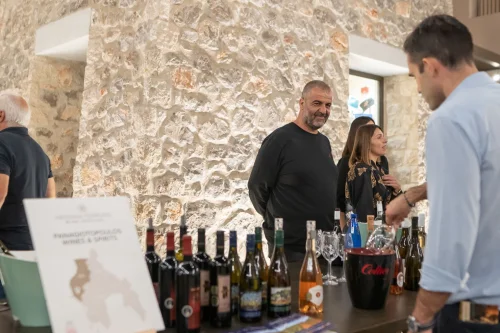

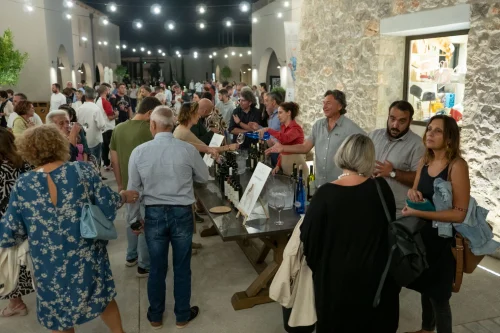
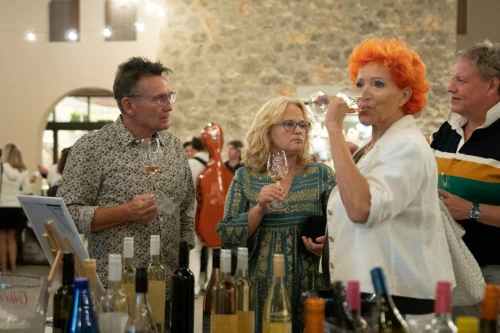

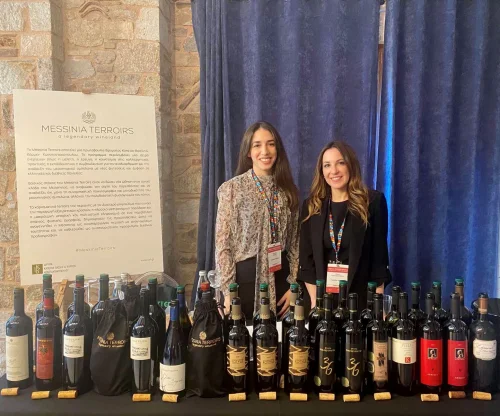
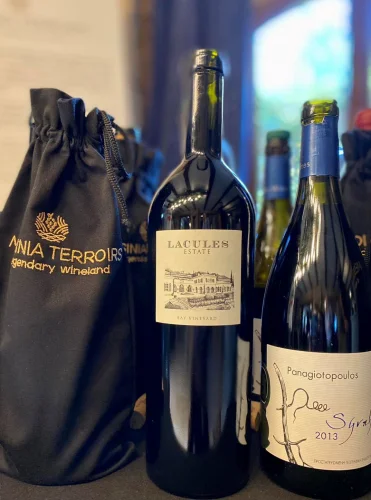
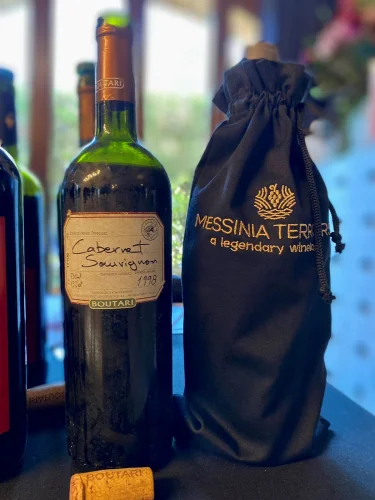
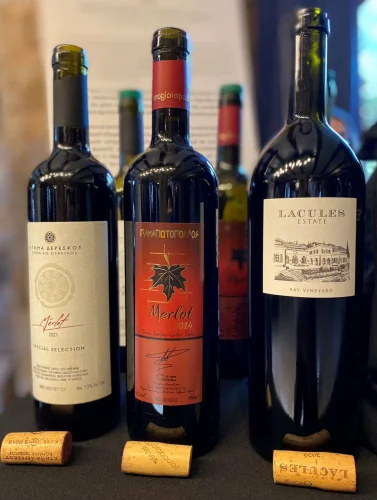


The Messinia Terroirs project is an initiative of the Captain Vassilis and Carmen Constantakopoulos Foundation. Established in 2011, the foundation is committed to making Messinia a model for sustainable rural development by supporting and promoting forward-looking strategies.
The project’s objective is to invigorate Messinia’s grape and wine industry, restore its former glory, and highlight the richness and diversity of the region’s terroirs.
These blessed natural environments, each with its own topography and microclimate, favor the making of premium wines.
Along with the region’s stunning pastoral beauty, storied cultural heritage, and fine culinary tradition, they provide the groundwork for establishing legendary Messinia as a wineland with a distinct identity and a world-class oenophile destination.
Messinia : Wine and History
The history of vineyard-rich Messinia is forever entwined with the legends, traditions, and values of centuries-old viticulture and winemaking.
Ancient Messinian cities, including Messene, Kyparissia, Corone, and Pylos, decorated their coins with a grape bunch motif or the figure of Dionysus, the god of wine and revelry. The lyric poet Alcman speaks of the celebrated Denthi wine, which was produced on the Messinian slopes of Mount Taygetus, while Pausanias, the great Greek travel writer of the second century AD, notes that Mount Eva, in the heart of Messinia, took her name from the Bacchic exclamation euoi (eviva).
The Linear B inscriptions on clay tablets—the earliest known form of written Greek, unearthed from the Mycenaean palace in Pylos alongside drinking cups and storage vessels, attest to the importance of wine in the local economy since the Bronze Age.
As the centuries went by, Messinia enjoyed a reputation for excellence in viticulture, winemaking, and raisin production, particularly after adopting improved agricultural techniques in the 1600s and 1700s. Despite the devastation of the region’s vineyards during the Greek War of Independence in the 1820s, the recovery didn’t take long.
The phylloxera epidemic, which ravaged the vines of Europe in the mid-19th century, boosted Messinia’s exports of wine and raisin, the latter being the top export product of the nascent Greek state.
In the early 20th century, the coast of Gialova attracted several leading Greek wineries, and by the end of the 1920s, Messinia ranked among the country’s top three wine-producing regions. In 1954, 800 local winegrowers joined forces to launch the Nestor cooperative for gathering, standardizing, and marketing Messinia’s entire grape production.
In the early 1980s, parts of the Messinia vineyard land were planted with international grape varieties, introducing Greeks to locally grown Chardonnay and Cabernet Sauvignon. The latter, cultivated in select vineyards in upland Trifylia, has gained worldwide recognition for its exquisite taste and distinct character.
Today, viticulture and winemaking continue to play a significant role in the life of Messinia. They are an integral part of its history, economy, and culture, and a key driver for its future growth.
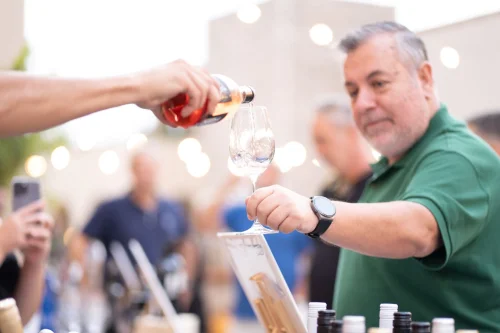
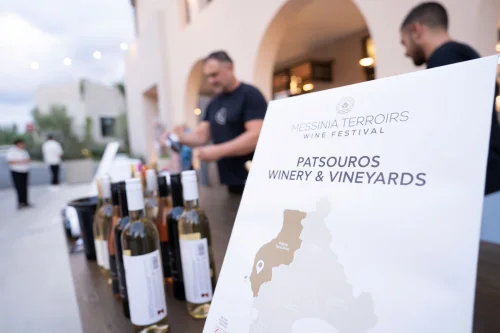
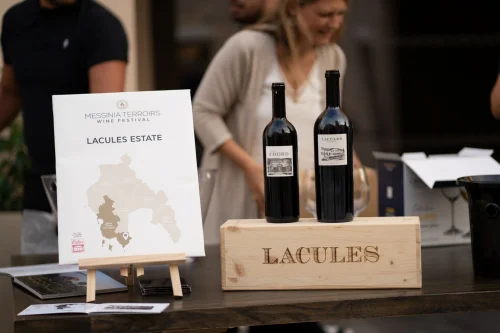
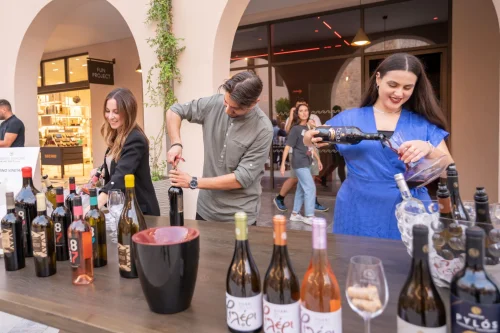
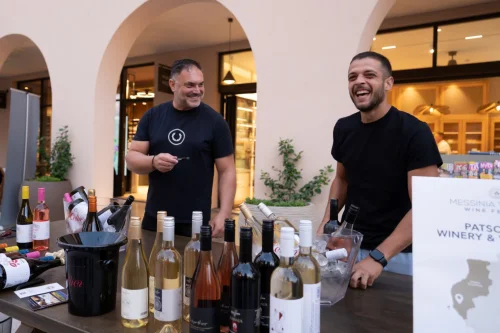
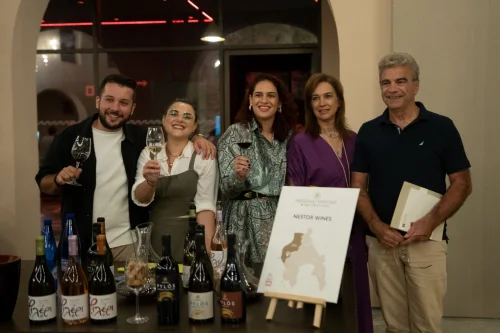
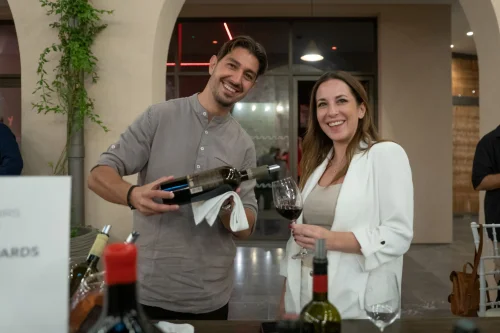
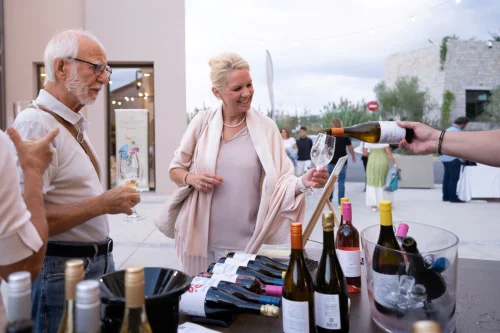
10 of the wine producers who took part in the Messinia Terroirs' first actions

Wine tourism